Yu Shui
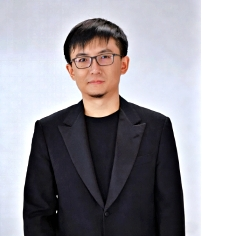
Animation director and screenwriter, Professor and Chair of the Digital Animation Art Department at the School of New Media Art and Design, Beihang University. He earned his Master’s degree from the Animation School of Beijing Film Academy and was a visiting scholar at the Bauhaus-Universität Weimar in Germany.
His major works as director and screenwriter include Nobody, The Summer of the Little Goblin (from A Hundred Tales of China), Master Yun, Negative Negativity Becomes Positive and Life Turns Out to Be Like This.
The animated film NOBODY, released in 2025, is now the most successful 2D animated film in Chinese cinematic history.
Yu Shui’s works have won over 40 awards at major domestic and international film festivals including the National Spiritual Civilization “Five-One Project” Award; Best Animation Screenwriter Award at the Magnolia Awards of the Shanghai TV Festival; Gold Award for Best Animated Series at the China International Animation and Comics Festival; Gold Award for Best Animated Series at the Xiamen International Animation Festival; and Best Art Innovation Award at the Hannover International Film Festival in Germany.
Participants:
Marc Handler
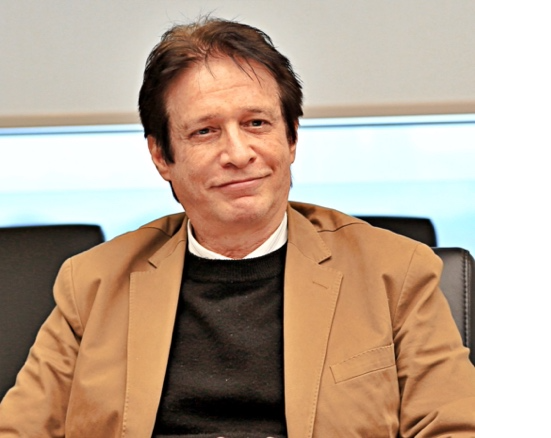
Animation screenwriter and producer, a pioneer in integrating Eastern and Western animation cultures.
Former Executive Producer and Screenwriter for Walt Disney Studios (China), co-produced and wrote the animated series Stitch & AI. Currently serving as International Consultant for the Animation Department of China Central Television, and Story Editor for the 2026 animated TV series Nezha and the Transformers. He is also a distinguished professor at Beijing Film Academy and delivered a keynote speech as a special guest at the 2019 Beijing International Conference on Dialogue of Asian Civilizations.
His book Collaborative Screenwriting and Story Development: A Global Guide has been published by Routledge Press in the UK, with Chinese and Arabic translations underway. He participated in the localization adaptation of Shaolin Soccer with Stephen Chow and took part in the production of classic animations such as Astro Boy, Cowboy Bebop, Ghost in the Shell, and Naruto. His screenplay The Foolish Old Man Removes the Mountains was nominated for the Golden Rooster Awards, and he created hit animated films for CCTV including Perfect Dad: Datou Family 4.
Yang Xinxing
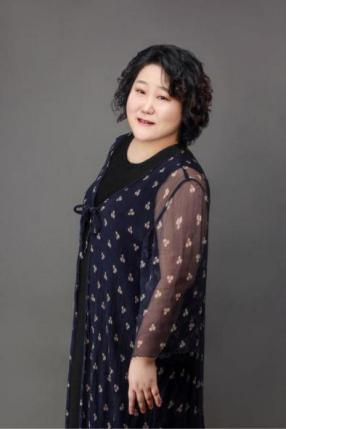
Comic editor and animation director. A graduate of the School of New Media Art and Design, Beihang University, she is now a part-time lecturer at Beijing Union University and founder of Qinglu Culture & Qingke Paper Toys. She is the former Chief of the Comic Section at Founder Japan SS Business Unit and Editor-in-Chief of Aikeli Comic Editorial Department.
She has participated in the production of numerous comics such as One Piece, GANTZ and Superintendent Mami. She has edited original comics including Huang the Dog Next Door and My Brother Can’t Be This Cute. Her popular comic Science Comics: Nursing – Our Daily Lives was published by Tsinghua University Press. She has also created original animations Outsiders’ Tales and Yami’s Adventures.
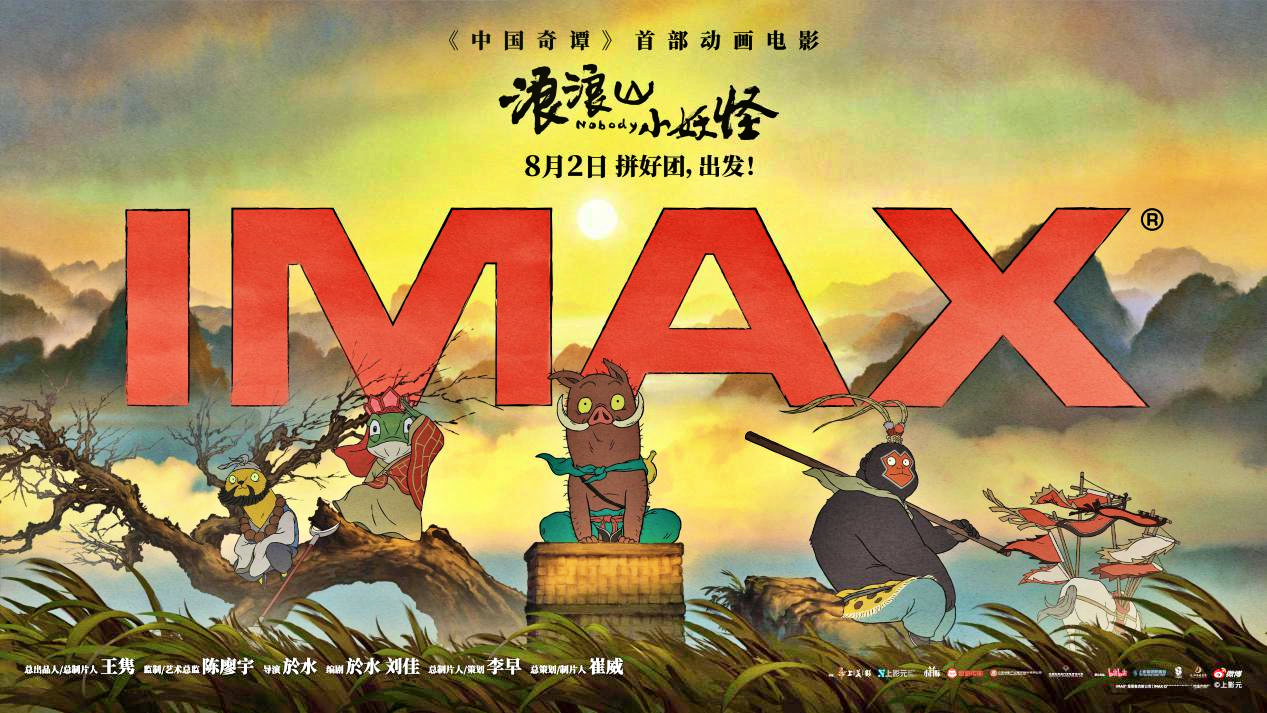
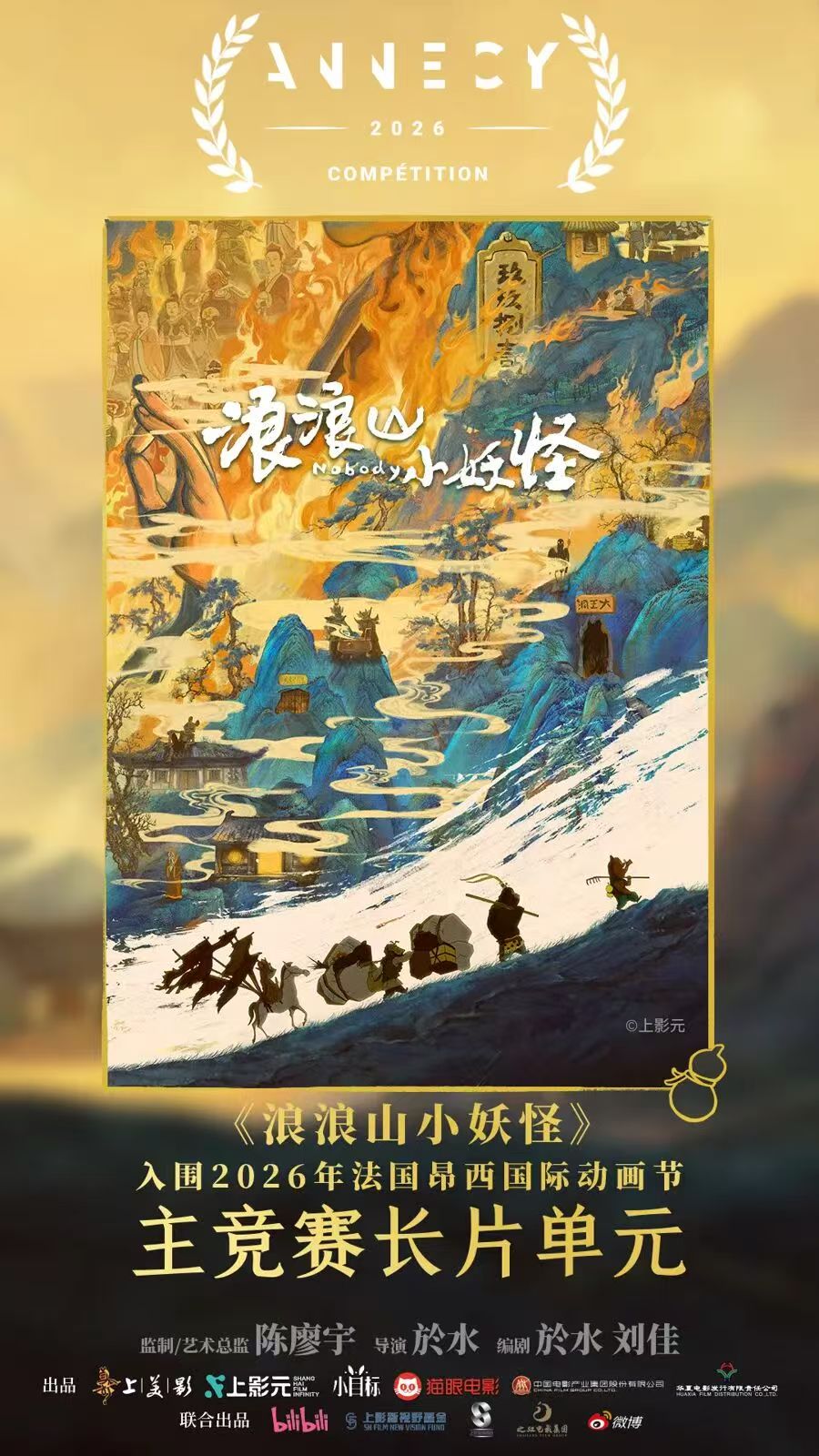
Since its release, NOBODY has impressed audiences with its innovative take on a classic Chinese tale, thoughtful real-world metaphors, and distinctive Chinese aesthetics. It grossed 1.719 billion RMB, setting a new box office record as the most popular 2D animated film in Chinese cinema history, and as one of China’s top five all-time animated films in any category. In May 2026, the film was shortlisted for the main competition feature film category at the Annecy International Animation Film Festival in France, known as the “Oscars of Animation”, and in June, Yu Shui received the prize for best screenwriter at the 2026 Chongqing International Animation Film Week awards. The film has achieved remarkable success both critically and commercially.
This conversation took place during the post-screening Q&A session at the Beijing Film Academy Awards on November 6, 2025. Marc Handler initiated while Yang Xinxing assisting with interpretation and communication. The full discussion centers on four major themes: creative experience, story structure, character creation and international communication.
-
Story Concept & Structure: Balancing Conflicts and Tone with Precise Craftsmanship
Q: Where did the inspiration for NOBODY come from?
Yu Shui: It came to me suddenly one night when I was half-asleep.
Q: Were you consciously trying to come up with ideas?
Yu Shui: No. I’d been thinking about my creative work all day, so ideas kept popping up. As soon as inspiration hit, I got up and wrote it down. If I hadn’t, I probably would’ve forgotten it by morning.
Q: Does this happen to you often?
Yu Shui: Quite often. I struggle with a creative idea for days, then suddenly find a breakthrough right before falling asleep. It happens not only with the whole story but also with small details.
Q: So that half-asleep state is your golden creative time.
Yu Shui: Exactly. New ideas always come then. I just refine them later.
Q: When it came, was it a complete concept or just a rough idea? Did you know the ending back then?
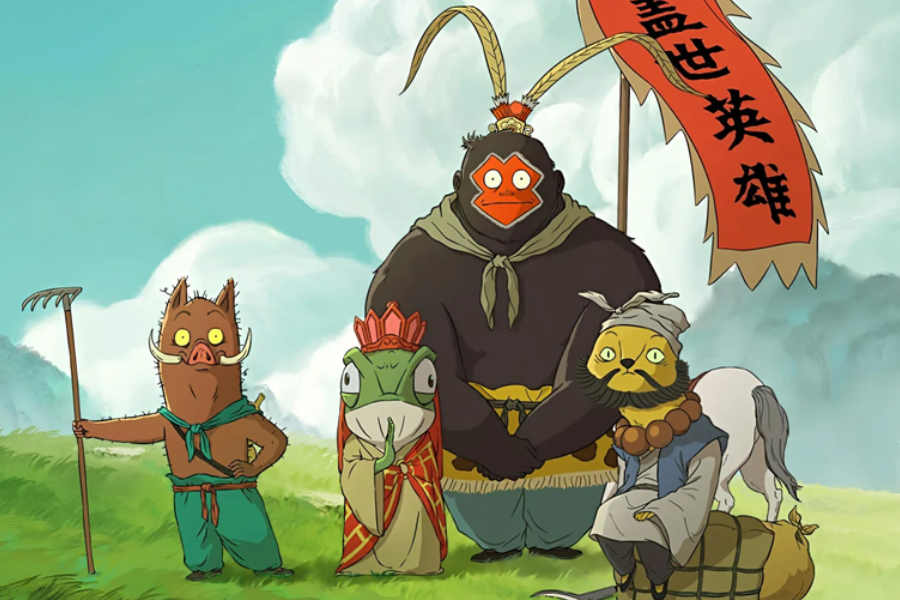
Yu Shui: I didn’t know the ending at first. I only had the idea: four characters pretending to be the Monkey King and his master from Journey to the West. But I worked out the ending within a few days. I was sure the four would fail in the end — because in the original novel, the master and disciples get the scriptures, so in my story, these pretenders never could succeed. This sense of fate adds to the dramatic tension.
Q: You once said you want to establish the theme in the very first shot. Did you do that in this film?
Yu Shui: Yes. The theme was vague in the early draft, just general ideas, but after repeated revisions, I made it clear and focused. When I teach screenwriters, I advise them not to start with a predefined theme. That tends to make scripts preachy. I first craft an entertaining story and let the theme emerge naturally during the writing process. In this film the theme gradually took shape through repeated revisions.
(Yu Shui takes out his phone and shows a chart with 24 sections, each corresponding to a story structure beat.)
Yu Shui: This is the basic template I use for writing.
Q: (referring to the chart) There’s a section here called “the dark night of the soul.” At that point in the film, the main characters set out to rescue a group of children, but they end up with more children getting captured. And those children are then going to be eaten by monsters. So your “dark night” section is really dark!
Yu Shui: That’s true. (laughs)
Q: Then the main characters even change sides and join the demons.
Yu Shui: Exactly. I wanted to push the dramatic conflict to the extreme while keeping it under control. That was the hardest part of creation. In this story, the protagonists fall into despair, but eventually they pull themselves together and decide to “do the right thing and save the children.” That’s when the story enters Act III, leading to the final confrontation and climax.
Q: How did you decide on that structure?
Yu Shui: I mainly adopt Blake Snyder’s three-act structure for creation. I have stuck to this method ever since attending his lecture in China back in 2008. Coincidentally, the traditional Chinese narrative principle of qǐ chéng zhuǎn hé: introduction, development, twist and conclusion, aligns perfectly with this kind of three-act structure, so the two blend naturally in my creation.
Ultimately, narrative templates are just formal guidelines and references. For a story to succeed, what matters more is infusing it with genuine emotion, building deep empathy for the characters, and maintaining a strong desire to express your ideas.
Q: How did you maintain a consistent overall tone throughout the film?
Yu Shui: Maintaining the comic tone in the second half was a major challenge. In my past comedy projects, I often found that the first half was light and humorous, but later on, the tone turned serious as conflicts escalated.
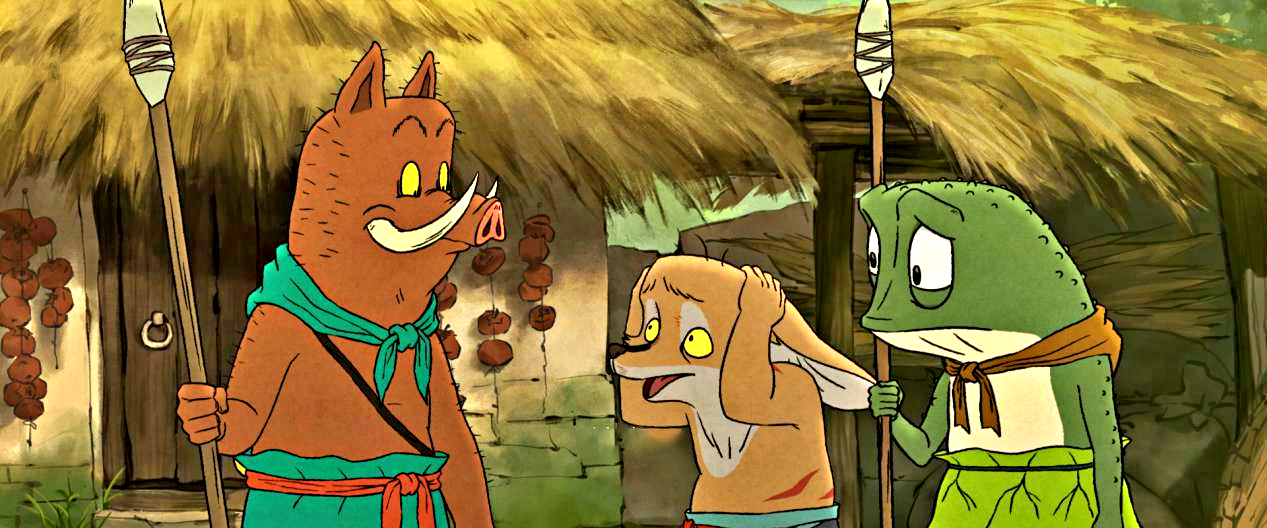
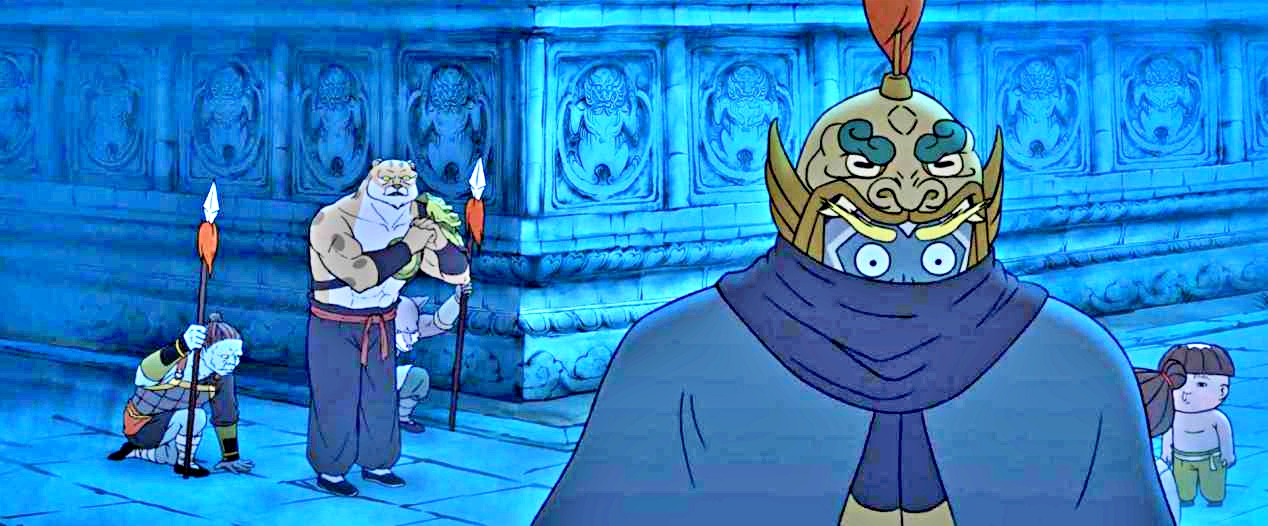
For this film, keeping the comedic vibe intact at the climax became one of our top priorities. We designed gags such as the protagonists climbing onto each other’s shoulders to pretend to be the Yellow Eyebrow Demon and added comedic action sequences to the final battle to keep the tone balanced.
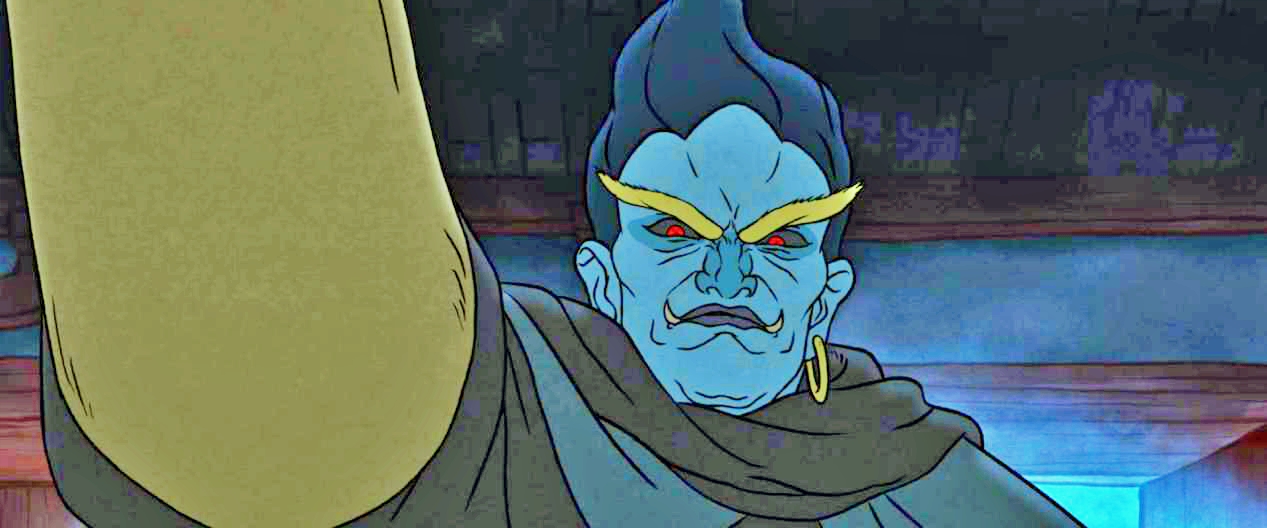
Q: Why did you choose the Yellow Eyebrow Demon as the main antagonist for the final showdown?
Yu Shui: The climax calls for a powerful villain to drive the storyline. The earlier antagonists in the film are all played for laughs — the Rat Spirit is incompetent, and the Black Dog King and Yellow Dog King are far from formidable. None of them could pose a real threat to the protagonists. Therefore, I needed a powerful foe from the original Journey to the West who could completely overpower the main characters.
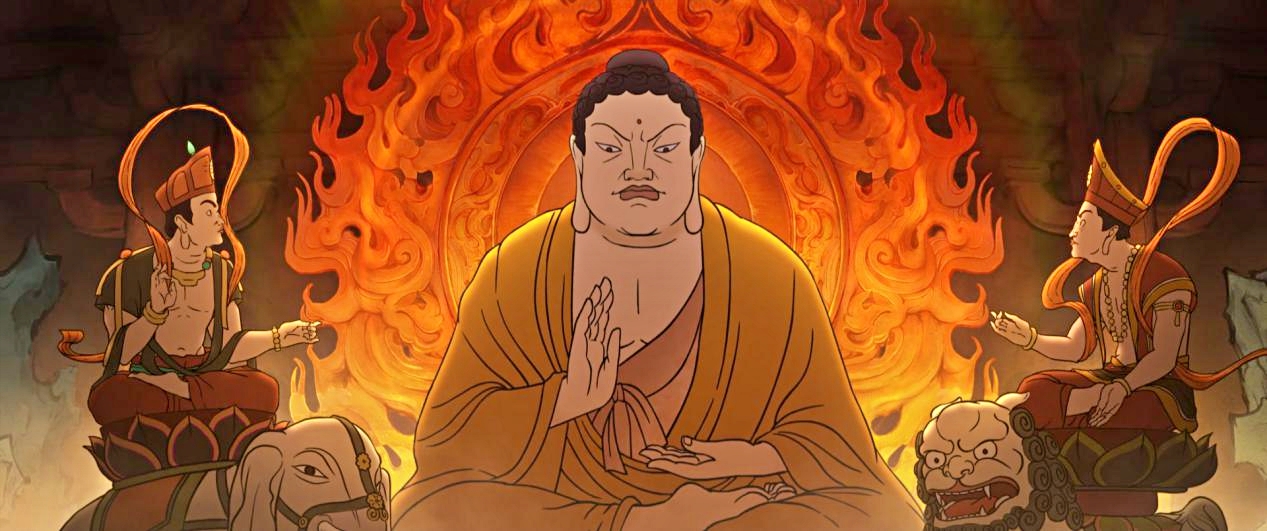
In the original novel, this demon disguises himself as Buddha, tricks Tang Sanzang, and captures him. His core trait is “pretending to be someone else.” My four main characters are also pretending. When two groups of imposters plot to deceive each other, you have a strong set-up for comedy. That’s why I chose the Yellow Eyebrow Demon.
-
Character Building: Portraying Growth and Transformation of Ordinary People
Q: Your protagonists are “fake heroes,” down-to-earth ordinary people rather than flawless legendary figures. Why?
Yu Shui: I have always been drawn to ordinary people. All of us are just regular folks with dreams and aspirations, yet we often feel powerless against life’s circumstances. When we were kids, teachers asked what we wanted to be when we grew up, and most of us answered scientists or artists. But as adults, few of us end up realizing those childhood dreams.
The characters in the film represent these unfulfilled dreamers. They are imperfect and flawed, and sometimes driven by selfish motives. Such characters feel authentic, allowing the audience to see parts of themselves in them.
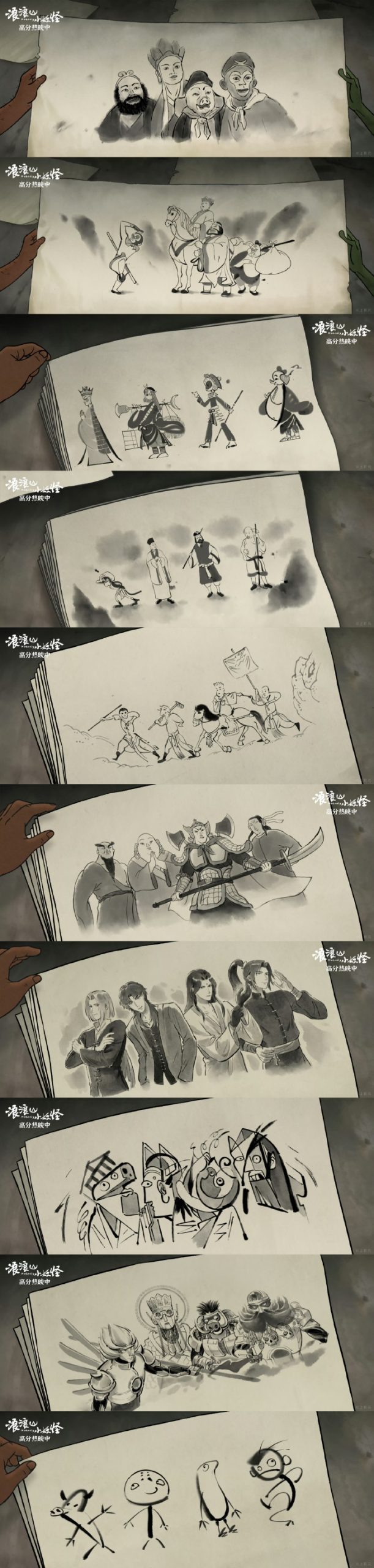
Yu Shui: I wanted to re-examine the classic tale from this new perspective. Traditional Journey to the West stories are told from the viewpoint of heroes. I chose to stand with the nameless, ordinary people. Shifting the perspective gives birth to a brand-new narrative, revealing details that people have long overlooked and offering a new lens to view the world.
Q: How did you design the characters?
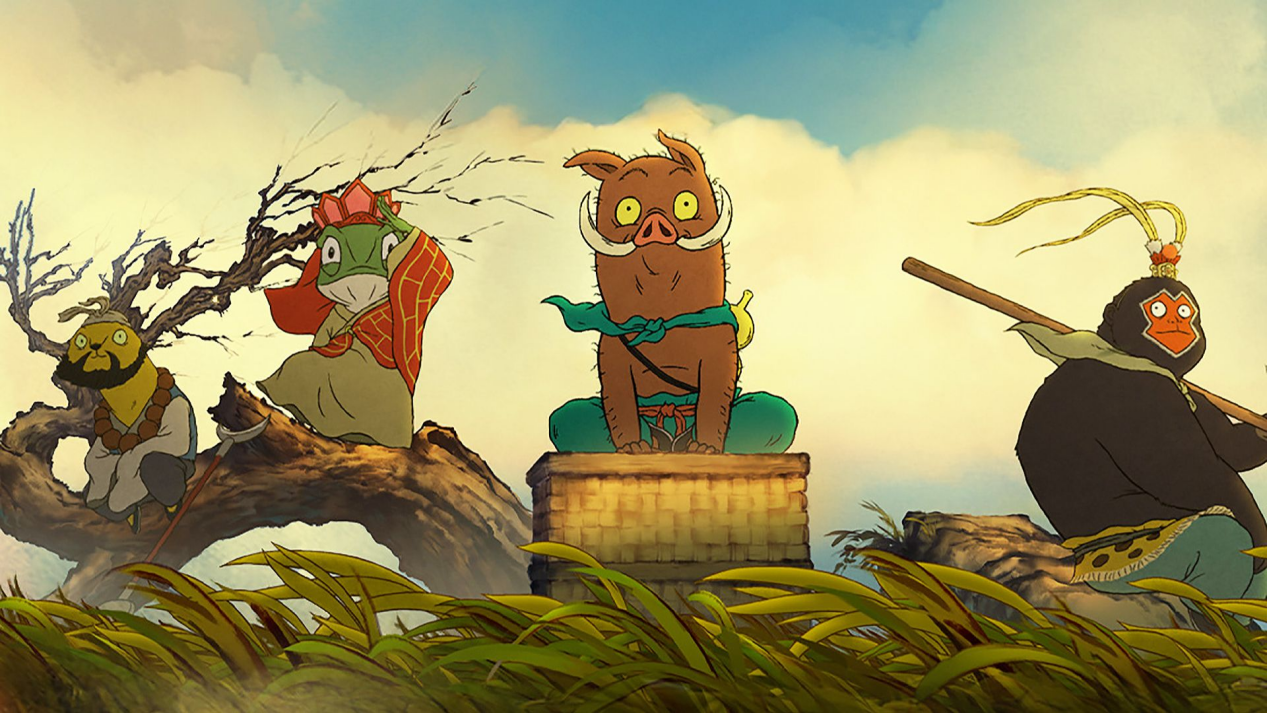
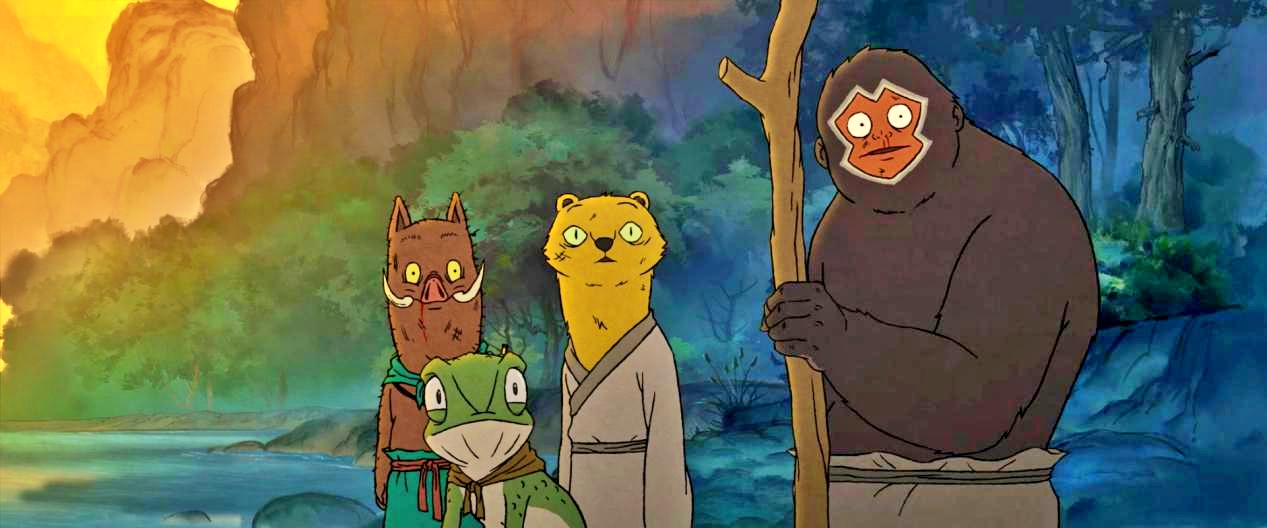
Yu Shui: Each of the four main characters is inspired by real people and embodies distinct personality traits. The little pig demon is largely based on myself. I understand his confusion, longing and growth from personal experience, so shaping him came naturally.
The orangutan demon embodies the social anxiety prevalent among modern people. In the internet era, many of us spend less time interacting face-to-face and identify as introverts who struggle with socializing. I amplified this trait to create this role.
The frog spirit is pragmatic. He knows right from wrong, yet he will choose what benefits himself when interests are at stake. I do not agree with this mindset, but I can understand it.
The yellow weasel demon was the hardest to develop. If all four characters were talkative, the dialogue would become overly cumbersome. He was originally a chatterbox, but his lines gradually decreased as the plot unfolded. This stark contrast made him one of the audience’s favorite characters.
Q: Every character undergoes growth throughout the story. How did you design their character arcs? Are their initial flaws essential to the storytelling?
Yu Shui: Change is the essence of storytelling. The growth and transformation of characters make the plot logical and convincing, letting the audience witness their evolution clearly. For example, the orangutan demon keeps running away from trouble and saying “I am not the Monkey King”. But after going through countless hardships, he finally gathers the courage to shout “I am the Monkey King”. All four protagonists evolve from selfish and timid individuals into brave and responsible beings.
Flaws are naturally embedded in character design. Imperfect characters, whether protagonists or villains, are more interesting to write and resonate more with audiences than perfect heroes.
Q: The audience relates to them thinking “That’s me.”
Yu Shui: Exactly. Imperfection and flaws make them real.
Q: The protagonists suffer repeated failures in the early stage. How does this contribute to their character development and plot progression?
Yu Shui: Setbacks are the foundation of a compelling story. A string of early failures makes the characters more relatable, as ordinary people’s lives are also filled with setbacks and frustrations, with no one sailing through life smoothly.
As impostors with no real power, they have to pay the price for their pretense. Only after they suffer from their failures can they learn to reflect, gain experience and receive help from others. Their subsequent triumphs become far more believable, and their transformation from “fake heroes” to real heroes feels touching and grounded.
Q: This film adapts a classic story but tells it in a way completely different from traditional Journey to the West adaptations. Was your approach logical or spontaneous?
Yu Shui: More logical. Once the beginning and ending were fixed, the rest was building a bridge between them. First, I focused on shaping the main group. Second, I showed them imitating the four disciples.
After the failures, they achieve their first success. Then each subsequent victory makes the audience believe they can truly become heroes.
Q: They gradually start to believe they are heroes too.
Yu Shui: Exactly. That’s the heart of the story. They change and grow: at first, they want everything good without working for it; later, they find joy in helping others and truly want to become real heroes. That’s the core message I want to convey.
Q: When creating characters, do you deliberately design flaws, or do they emerge naturally?
Yu Shui: Both, but mostly naturally. It’s more fun writing such roles. Villains or ordinary people often attract audiences more.
Q: Tell us more about your creative process. When writing scenes, do you visualize them first in your head? Do you build the scene mentally before writing, or follow story logic step by step?
Yu Shui: I do both. As an animation director, I have an advantage in visual imagination. When writing a scene, I immerse myself in it. Images appear in my mind, and the plot unfolds from there. In turn, the concrete plot makes the scene more vivid. They complement each other.
Q: What’s your process for writing an individual scene?
Yu Shui: I use the three-act structure for every scene, because each scene is like a small story. Only when every scene works can the whole film work. I visualize the scene first. When writing dialogue, I always put myself in the character’s mind — that’s how lines feel natural.
Q: Do you write quickly with a rough first draft, or do you polish carefully as you go?
Yu Shui: I write quite carefully so I don’t have to revise heavily later. Most of what I write becomes the final version.
Q: So your first draft is very close to the final version?
Yu Shui: About 80% is the same. I may cut some scenes or tweak parts I don’t like, but the main content stays.
-
Original Aspirations & Creative Growth: Gaining Insights from Practice and Intuition
Q: When you were a student, you didn’t focus on screenwriting, yet you have achieved remarkable success at it and developed your own unique style. What advice would you give to other screenwriters?
Yu Shui: My biggest advice is to keep writing. I started out making animated short films, and gradually realized the importance of screenwriting. So I started sneaking into screenwriting classes at Beijing Film Academy. At that time I had to write the scripts for 46-episodes of an animated series by myself. Massive writing practice helped me master joke design and story construction, and steadily improved my skills. There are no shortcuts in writing. Only through continuous practice can you accumulate experience and find your own rhythm and style. Keep going even if your early works are not perfect.
Q: Your stories are funny, that’s part of why people love them so much. What insights have you gained about creating comedy?
Yu Shui: I have loved writing since I was a child, but I never received professional training in comedy writing. I watched countless comedy films and skits when I was young, and my passion for comedy turned creation into instinct. Later, I summed up some rules and techniques for comedy, and built comedic frameworks in character design and plot construction. Even so, I still rely heavily on creative intuition during actual writing.
I also performed skits at school back in the day. Making my classmates laugh gave me an intuitive understanding of comedy, teaching me what kinds of performances and lines can amuse the audience.
Q: You mentioned auditing university courses. What was your biggest gain from that?
Yu Shui: To be honest, self-study played a much bigger role than those occasional classes, and self-motivation was key. I gained a deeper understanding of story structure, especially the narrative rhythm and structural design for feature-length films.
I used to work on short films and episodic animations and lacked experience in structuring full-length features. Systematic screenwriting knowledge helped me sort out my own creative logic. Blake Snyder’s lectures had a profound influence on me, and his theories on story structure have guided my creations ever since.
International Exchange & Dissemination: Where Will the NOBODY “Journey” Lead?
Q: What are the differences between Chinese animators and creators from Europe, America and other regions? Do you believe NOBODY can reach global audiences?
Yu Shui: That’s a question I’d like to ask you too (laughs). Do you think Western audiences will enjoy this story?
Q: I’m sure they will. The storyline is straightforward and easy to follow, and the core theme — ordinary people who never intended to be heroes, who just wanted to pull off a scam, ultimately rise to the circumstances and discover that they are heroes, they were heroes all along — this is a universal human theme that resonates with audiences worldwide.
Yu Shui: But Western audiences know very little about Journey to the West.
Q: That is true. They may recognize the image of the Monkey King, but most only know he fights bad guys, with no in-depth knowledge of the original story.
Yu Shui: Will this become a barrier for them to understand the film?
Q: A brief introduction might help, but even without knowing anything about the Monkey King, the story is easy to follow because the story logic is clear.
Yu Shui: Hollywood films almost always end with good prevailing over evil. Our film has an unconventional ending. Can Western audiences accept that?
Q: I think they will welcome it. Many Western viewers are tired of formulaic stories where you can predict the ending from the start. Your unique ending is exactly what makes this film stand out.
Yu Shui: Some may feel sorry for the protagonists because of their sacrifice.
Q: But they come back to life! They’re reborn!
Yu Shui: But the villain is reborn too.
Q: The villain repents, so there’s warmth and hope.
Yu Shui: What about the concept of “being turned back into one’s original form”? Western audiences may not be familiar with this traditional cultural idea.
Q: Right, Chinese concepts of death and rebirth are only vaguely understood in the West, but you might be able to include a little exposition on this without disrupting the flow of the story.
Yu Shui: I see. Despite cultural differences, I believe all human beings share core values: faith in justice, kindness and truth. These universal values are the cornerstone of human civilization.
Q: I wish you every success in bringing this wonderful story to global audiences. The original Journey to the West was about bringing new ideas to the West. I think your film will do that.