Esther Ohrt Paul, CEO of Afrotoons, an African animation and media company for children, shared with The Animation Journal, some episodes of their debut animated series, Selase’s Adventures.
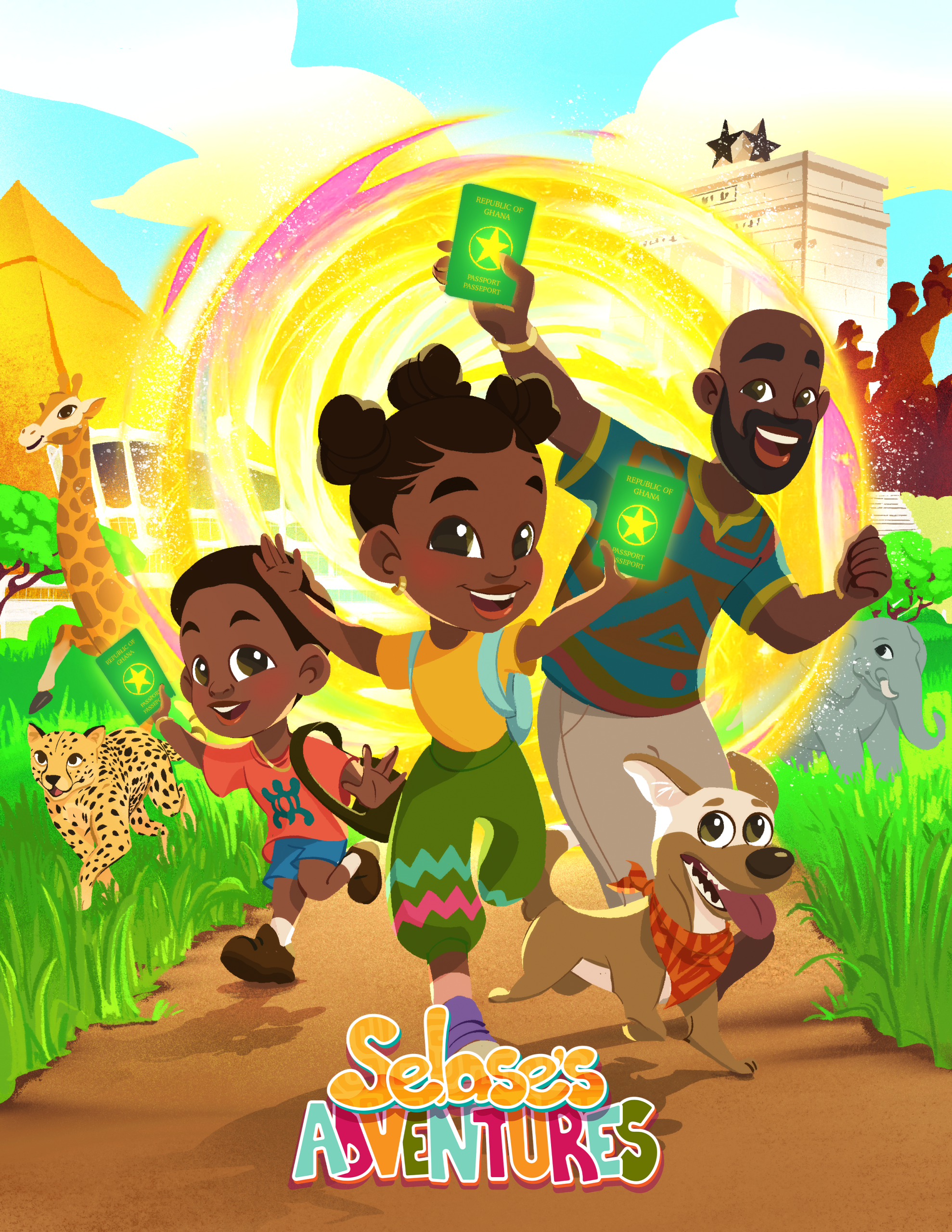
The series follows nine-year-old Selase and her family as they travel with their magical adventures across Africa, introducing young audiences to the continent’s rich cultures, history, and innovation.
Selase’s Adventures is a pan-African animated series for children aged 4 to 8. Selase uses a magical Ghanaian passport to travel to all 54 African countries alongside her younger brother Edem, her Uncle Kofi, and their mischievous dog, Ziggy.
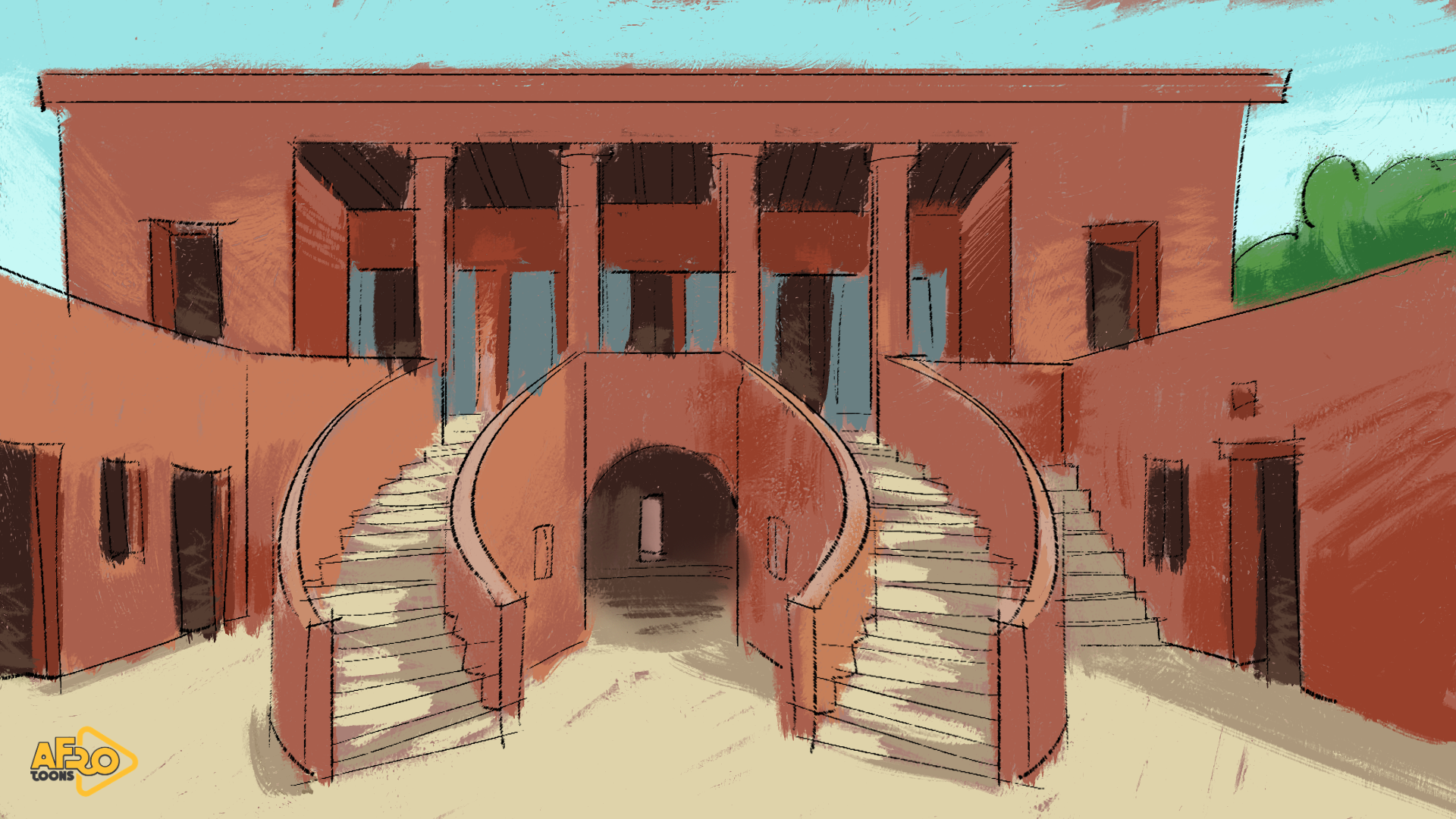
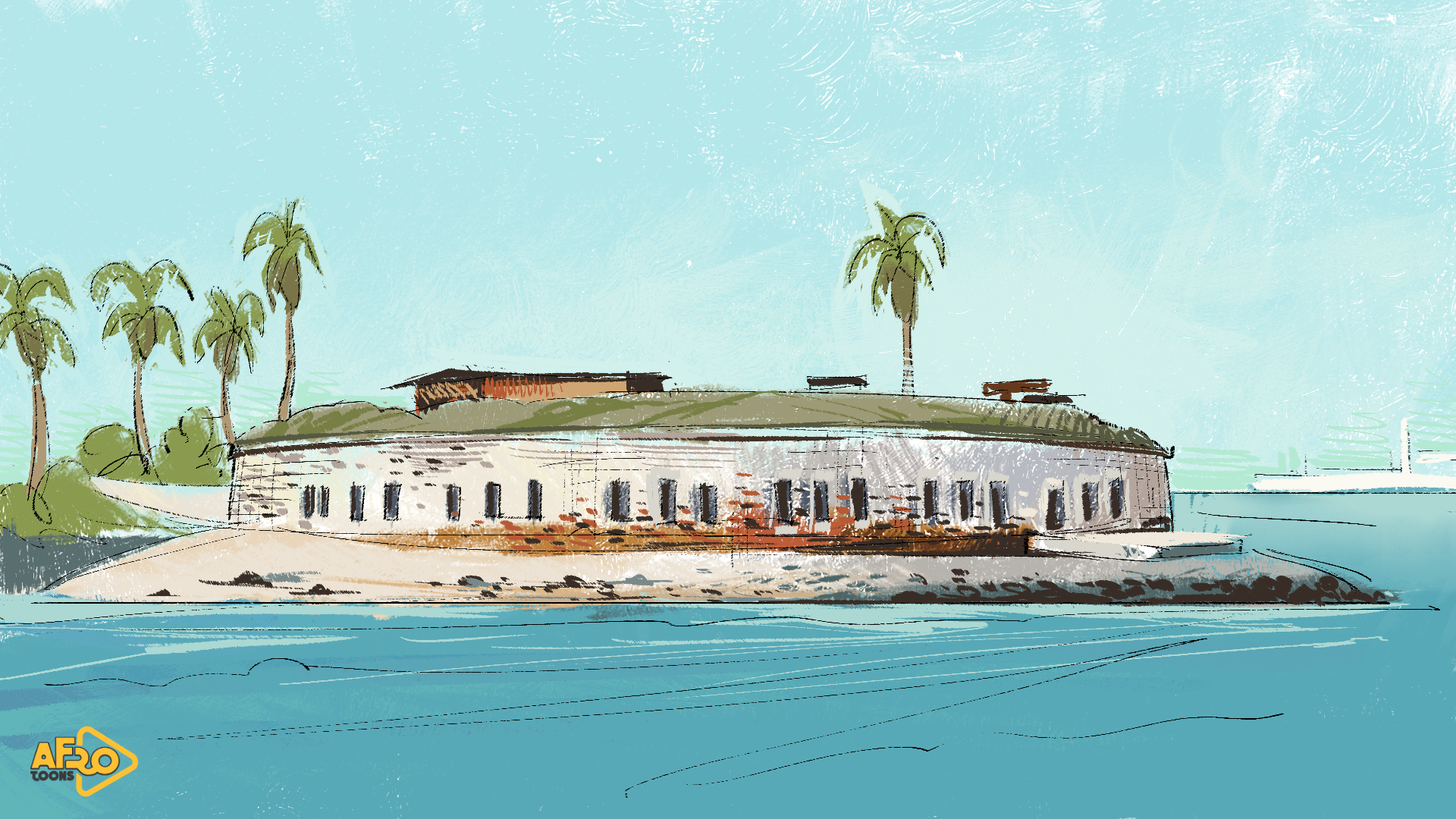
The audience of Selase’s Adventures starts at four years old. In the second episode, the series takes its young viewers through the Door of No Return: the passage in Gorée Island’s House of Slaves through which enslaved Africans were forced onto the ships that carried them away, before their crossing to the West Indies, Brazil, the United States and beyond.
Selase goes to Gorée Island, off the coast of Dakar, in Senegal, to learn sand painting. The island is small and its houses are pink and yellow. Then Uncle Kofi walks her into the House of Slaves. He tells her that long ago their people were taken across the ocean, that this is where the dark ships waited, and that many never returned. She asks him where they are now. He answers that their children live all over the world, and that they built new branches on the same family tree.
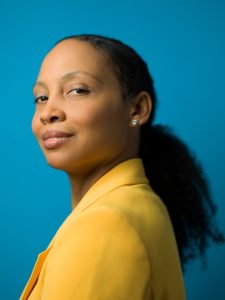
Esther Ohrt Paul, CEO of Afrotoons:
We didn’t set out to make an episode about slavery. We set out to make one about family, and we sent
Selase to Senegal to learn sand painting from the artists on Gorée. Gorée was going to happen either
way. The House of Slaves is also on Gorée, and what we argued about internally was whether to say so.
Some of us were uneasy. That’s what happens when you build a show around real places: you don’t get
to choose what’s waiting when you arrive. There’s excellent African animation being made right now, and
most of it builds its worlds from scratch, where nothing turns up that somebody didn’t put there on
purpose. We picked the real continent, so the only decision left to us was whether to walk past the door.
Esther Ohrt Paul, CEO of Afrotoons:
“I didn’t study animation. I’ve never worked in visual design. What I had was a stubborn desire to reach young people across the African continent, in whatever way I could. That desire put me in a lot of different rooms. I built education programs from the ground up in Sub-Saharan Africa. I moved into management consulting and worked with health and education clients. Then I went to Twitter and Meta, where I ran civics and human rights work for the users most likely to be targeted. I used to treat those as four unrelated jobs. They had one job. I spent a decade working out what young people need and who keeps failing to give it to them. So when I started Afrotoons, I was in way over my head. I followed the desire anyway. To be honest, most days I’m still figuring it out. I’ve sat on calls and quietly googled a term. I’ve asked a question in a meeting that made it obvious I was new to this. And that’s fine with me. Knowing animation doesn’t mean you know the audience. You can build a beautiful frame and draw a perfect character and still have zero idea what a seven-year-old girl in Accra needs to see on her screen to believe she’s the hero of her own story. That part I do know. I’ve worked in and around education institutions for years, and I’m a mother of two.”
According to Esther Ohrt Paul, the technical side can be hired for, or learned along the way. She does not dismiss the importance of craft, and acknowledges that the people around her understand it far better than she does.
But in her view, a studio needs more than craft. Afrotoons did not raise a studio round to get where it is. The team produced a thirty-second trailer and crowdfunded the rest: more than 200 backers in over 15 countries put money behind the story before there was any proof it would work.
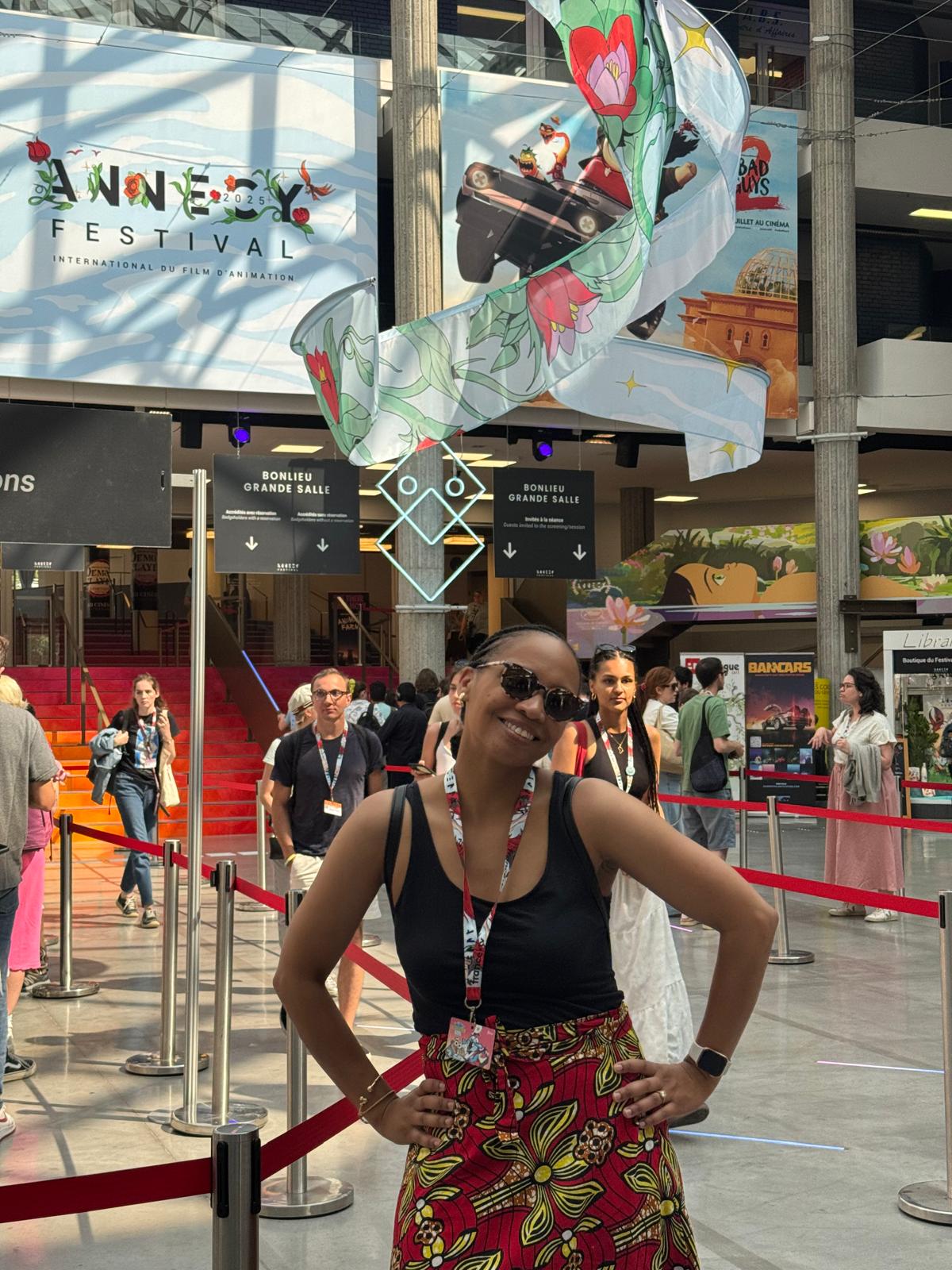
In 2025, the Embassy of France in Ghana selected Afrotoons as part of the Ghanaian delegation attending the Annecy International Animation Festival. But, as Esther Ohrt Paul points out, a selection is not traction.


The real question is whether culturally specific IP can build an audience large enough to matter, and that is the journey the studio is now on. The first three episodes of Selase’s Adventures, including the Gorée Island episode, are available on the Afrotoons YouTube channel. Esther Ohrt Paul is co-founder and CEO of Afrotoons.