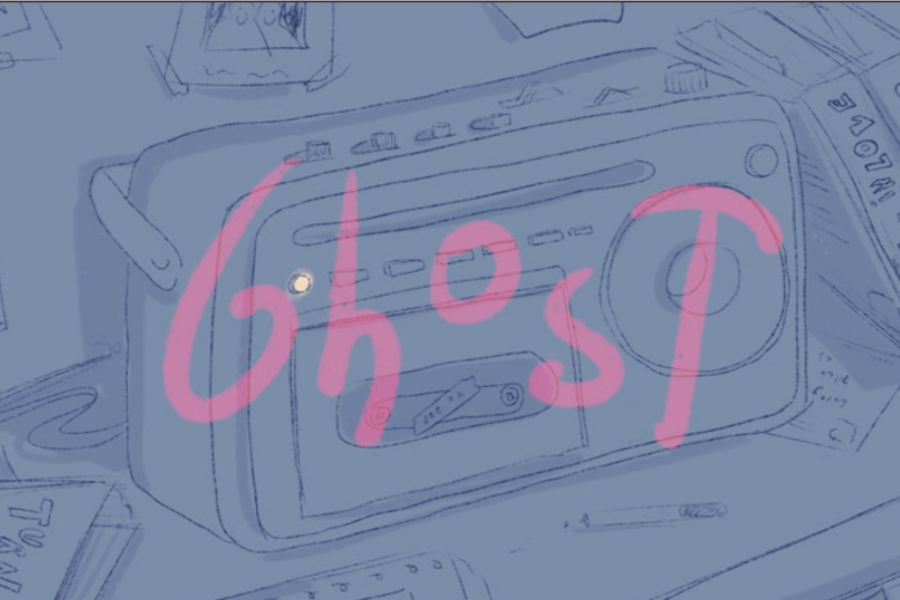
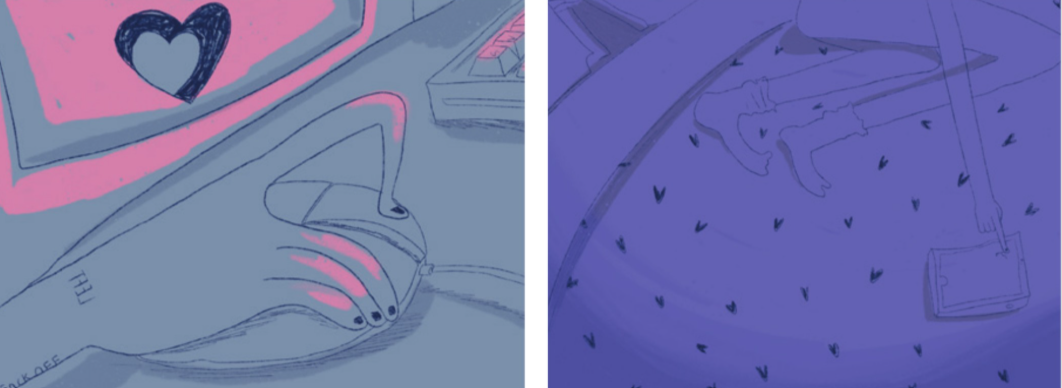
Moroccan director and artist Kawtar Waddi (also known as Sanjaune) moves between animation, sound documentary and visual art, exploring how people connect emotionally and socially with the environments they inhabit. With a background in fine arts and ongoing curatorial studies, she treats filmmaking as artistic practice and critical inquiry at once. Her workshop Making Independent Animation, held at SACC, looks precisely at how narrative structure and visual storytelling work in selected short films, how colour, composition and sound shape meaning, and what drives filmmakers to work outside mainstream cinema, along with the challenges they face.
Let’s talk about “independence” in filmmaking and animation. What does it practically look like for you? What would you suggest to an emerging independent animator who is still trying to find their visual language that you have learned first-hand in your career?
For me, independence in filmmaking and animation is a form of artistic freedom. I have a fine arts background, which means my natural instinct is that when I have a desire or an interest in a topic, I jump into the creative process. Independence in animation filmmaking also rhymes with intimacy. Even though it means being limited to a very short format due to the amount of work you have to handle by yourself, in the end, I feel that the result truly reflects me and my imagination. I also believe that every creative has to start somewhere, and that the technical, protocol, and professional ways of making films shouldn’t be a barrier for anyone to create. The first times will always feel like a failure, and you may feel illegitimate in the animation field, but the most important thing is the path you will find yourself on.
Do you think that there is a pressure for African filmmakers, including within animation, to make work that is explicitly about their identity or culture? How do you navigate that? What does “African animation” mean to you, if anything?
I believe yes, but what I think is more problematic is not the willingness to represent your identity, but the way our African/Amazigh identity is visualised mostly by the West. This leads to stereotyping the of the culture and the way it should be visualised. As a consequence, you will find yourself, as an African artist, representing an image of an image of African art to fit the standard. I genuinely believe African art and animation can be defined in one line: the moment an African artist creates it, it is African art, without any categorizations. The same way French animation isn’t defined by French history or culture, but more by the variety of stories told by French artists/directors.
Do you feel that being from Morocco influences your visual language, even when you’re not consciously referencing Moroccan culture? In what way?
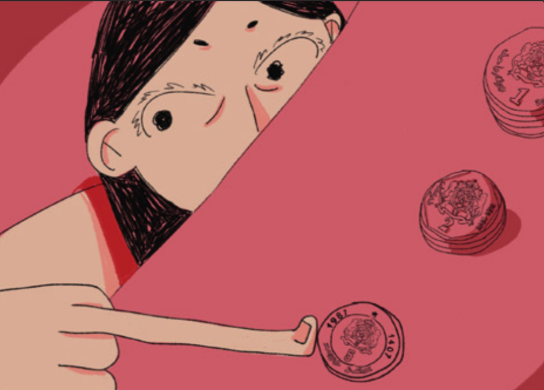
As I said earlier and I think this applies to any culture – my art and films are naturally influenced by my identity as a Moroccan, for the simple reason that I am one, and that the visuals and the stories come from my imagination. It doesn’t have to be defined by a specific setting or visual code to represent my culture.
What do you think is misunderstood or overlooked about animation coming from Africa? And would you share with our readers the names of artists or filmmakers from the continent whose work you think more people should know about?
What is misunderstood or overlooked is this image of what African animation should look like that I’ve mentioned previously. This can overshadow the variety of artistic proposals we have on the continent, and in Morocco, speaking for my country. There is also the idea that the industry is struggling in Morocco, and that only the “useful” art should be funded, or films that align with the stories that feed that stigma. I feel like the industry and producers should invest more in experimental, artistic forms of film that sound risky on paper. What I like the most about the student or independent filmmaking scene is the freedom you find in the work. Among the artists I highly recommend seeing are the beautiful works of Samia Zerrou, Samia Dzair, and Driss Quaamar, emerging artists and filmmakers who, in their own ways, tell beautiful stories.